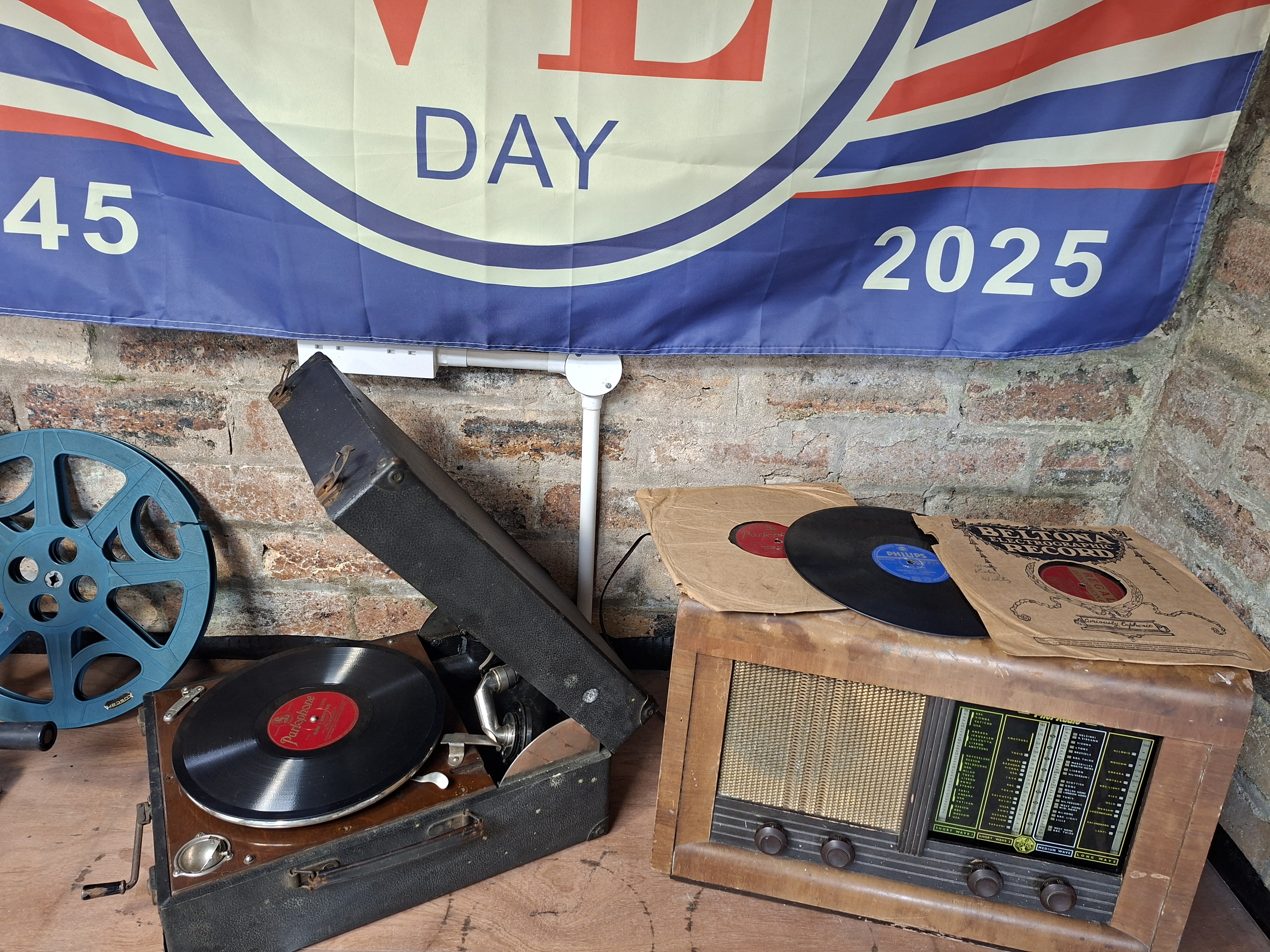
Today, we tend to overlook the radio, viewing it mainly as a convenient source of music and relaxation. With advances in technology, we now have smart radios that respond to voice commands, allowing us to change stations simply by saying their names. However, during World War II, radios were far more than just entertainment devices; they were vital tools in the larger conflict.
At that time, radios served as a primary medium for propaganda, delivering messages and updates that shaped public perception and morale. Many civilians first learned about the outbreak of war through these broadcasts, which laid the groundwork for the conflict’s narrative. Moreover, radios had an even more critical role in covert operations. They were used to send encoded messages, enabling communication between Allied agents and resistance groups scattered throughout occupied Europe. This clandestine use of radio technology was essential for coordinating efforts, sharing intelligence, and executing missions against the Axis powers.
In a time when communication was fraught with peril, these devices not only connected people to their shared experiences but also enabled clandestine activities that were pivotal to the war effort.

The BBC’s European Service played a crucial role during World War II by broadcasting a variety of programs in multiple languages to audiences in countries that were under German occupation. These broadcasts were not simply entertainment; they were lifelines for Resistance fighters across Europe. Embedded within seemingly ordinary programming were short, coded phrases that would sound nonsensical to the average listener but held significant, often urgent meanings for those in the know.
These coded messages could issue commands for sabotage operations aimed at disrupting German supply lines, confirm the timing and locations of supply drops of essential materials, alert local groups to imminent dangers, or provide instructions for coordinating local Resistance efforts with Allied forces.
In countries such as France, Belgium, the Netherlands, and Norway, brave Resistance fighters risked their lives to clandestinely listen to these vital broadcasts. Given the severe consequences of detection, including arrest, imprisonment, or even execution, these individuals often took extreme precautions to conceal their radios. Devices were frequently hidden in secluded places like attics, cellars, barns, and workshops, underscoring the perilous risks they undertook to stay informed and organised against their oppressors.
In the critical days leading up to the D-Day landings in June 1944, the BBC employed a series of coded messages designed to reach French resistance groups. These messages served as vital signals, instructing brave operatives to launch coordinated attacks on key infrastructure, including railways, bridges, and communication lines. This strategic sabotage played a crucial role in hampering the movement of German reinforcements heading toward the Normandy coast.
For the millions of individuals enduring the hardships of occupation, the BBC’s broadcasts held an even deeper significance. They offered not only a lifeline of accurate and timely news amid the pervasive fog of propaganda but also instilled hope. These broadcasts were a powerful reminder to those in despair that they were not forgotten and that the fight for liberation was ongoing.
Leave a Reply