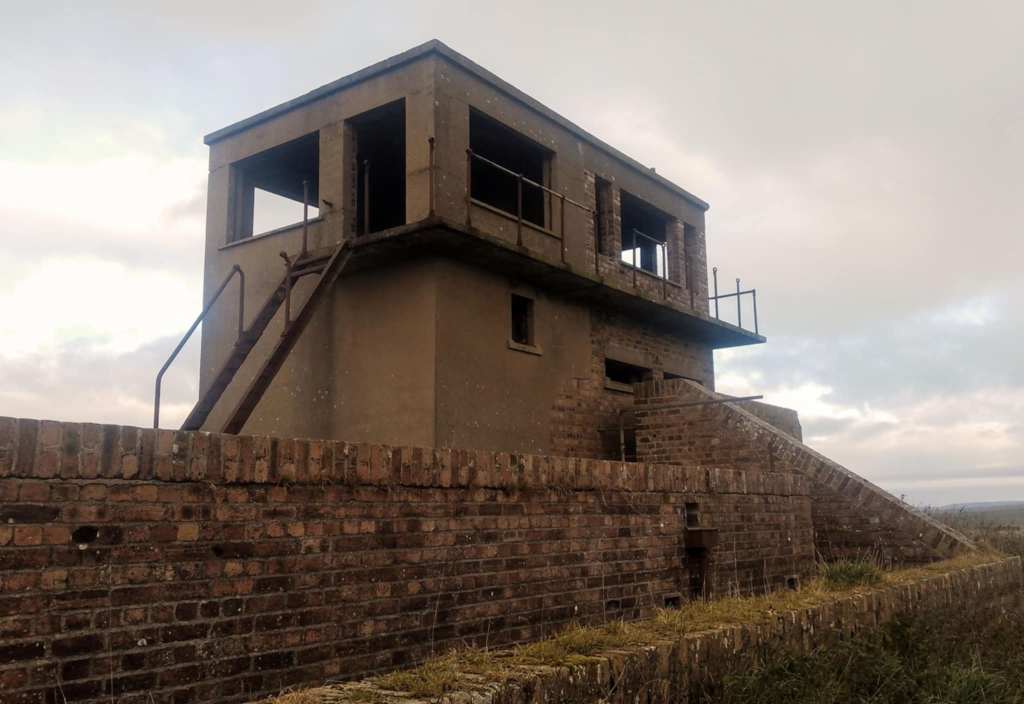
When you visit HMS Tern, you might not give much thought to the humble brick. However, consider the vast site, with all its buildings on the airfield. Have you ever wondered about the immense effort it took to transport all the materials to these islands off the north coast of Scotland?
The airfield proudly opened on April 1, 1941, serving as the Royal Naval Air Station during World War II. It played a crucial role in training and supporting operations, including aircraft deployments from Royal Navy carriers in Scapa Flow, which was essential during North Atlantic battles. While it may seem remote today, the Orkney Islands—and the stunning anchorage of Scapa Flow—were strategically important during that time, reflecting their rich history and significance in military aviation.
But what of the humble brick?
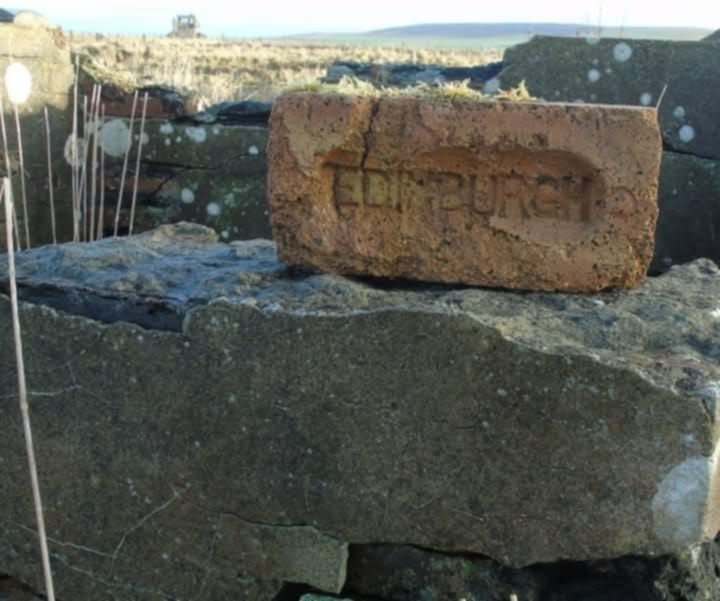
Brick production in Scotland has been well established since the 19th century, particularly in the Central Belt, where areas rich in clay, such as Lanarkshire and around Edinburgh, are located. By the 1930s, large industrial brickworks were producing millions of uniform, machine-made bricks each year.
However, with the outbreak of war in 1939, brickmaking became an essential part of Britain’s war effort. Production was redirected to meet the needs of military and industrial construction, including airfields, naval bases, and defensive structures. As a result, civilian building projects were largely restricted, allowing materials, fuel, and labour to be prioritised for wartime requirements.
Many brickworks operated under pressure, facing:
- Labour shortages, as skilled workers joined the armed forces
- Fuel restrictions, particularly coal for kiln firing
- Increased demand for standardised, functional bricks rather than decorative types
Despite these challenges, Scottish brickworks continued to supply vast quantities of materials. Bricks stamped with makers’ marks—such as those from Edinburgh and Niddrie—have been identified at the aerodrome, linking the site directly to mainland industrial production.
Bricks were crafted from a carefully measured mixture of clay and lime, which was then shaped into blocks using moulds. Once moulded, these bricks were subjected to high temperatures in kilns, reaching approximately 900°C. This intense firing process not only hardened the bricks but also enhanced their structural integrity. The resulting bricks were renowned for their strength, durability, and impressive fire resistance, making them indispensable for constructing permanent structures during wartime. These qualities ensured that buildings could withstand the rigours of conflict and provide essential refuge and stability for both military and civilian uses.
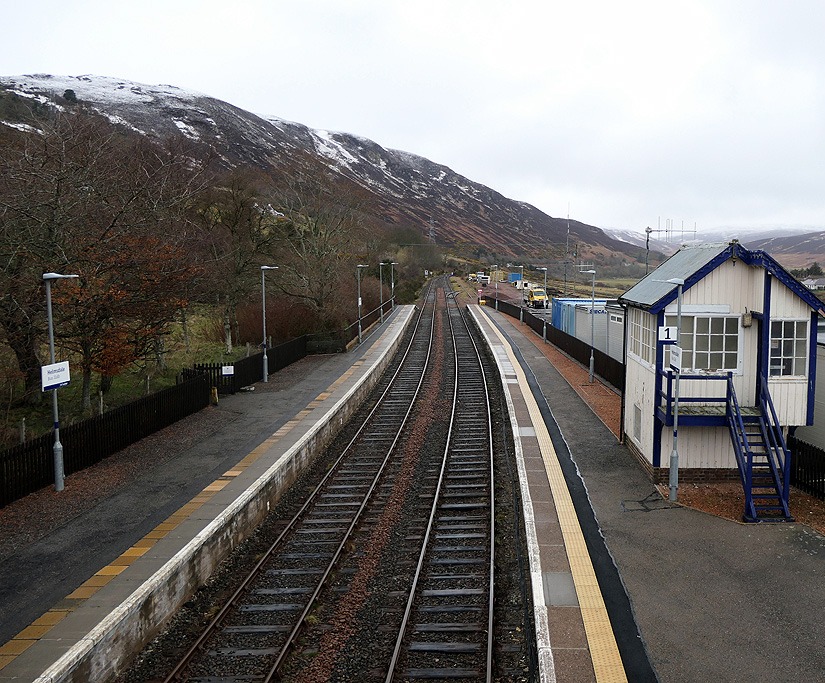
Transporting and handling such large quantities of bricks definitely posed intriguing logistical challenges! Typically, materials were transported by rail to northern ports, then shipped to Orkney, with the final leg of delivery by road. The railway north of Inverness, with its single track, created a unique bottleneck for these brick consignments before they reached Scrabster for onward shipping.
It’s exciting to know the railway line is still in use! While riding on the two-coach train through the breathtaking straths and glens, you can almost see the clattering goods trains making their way through this stunning landscape, all working hard to reach Orkney. What a remarkable journey!
At remote sites such as HMS Tern, all bricks were handled manually, without the aid of modern equipment such as pallets or forklift trucks.
HMS Tern is located on the west side of Orkney Mainland and can be found using the postcode KW17 2JH.
 About Tern - the blog for HMS Tern Orkney
Leave a comment