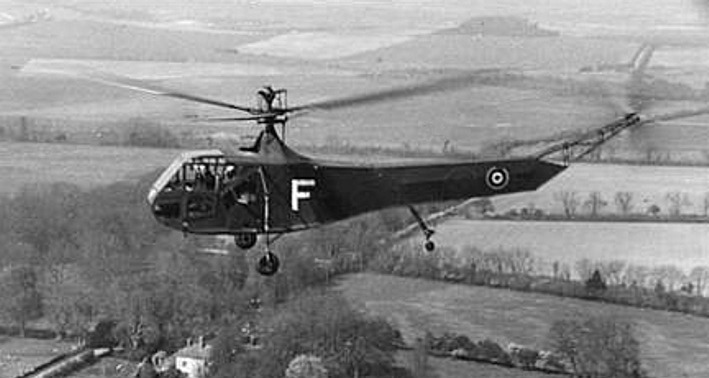
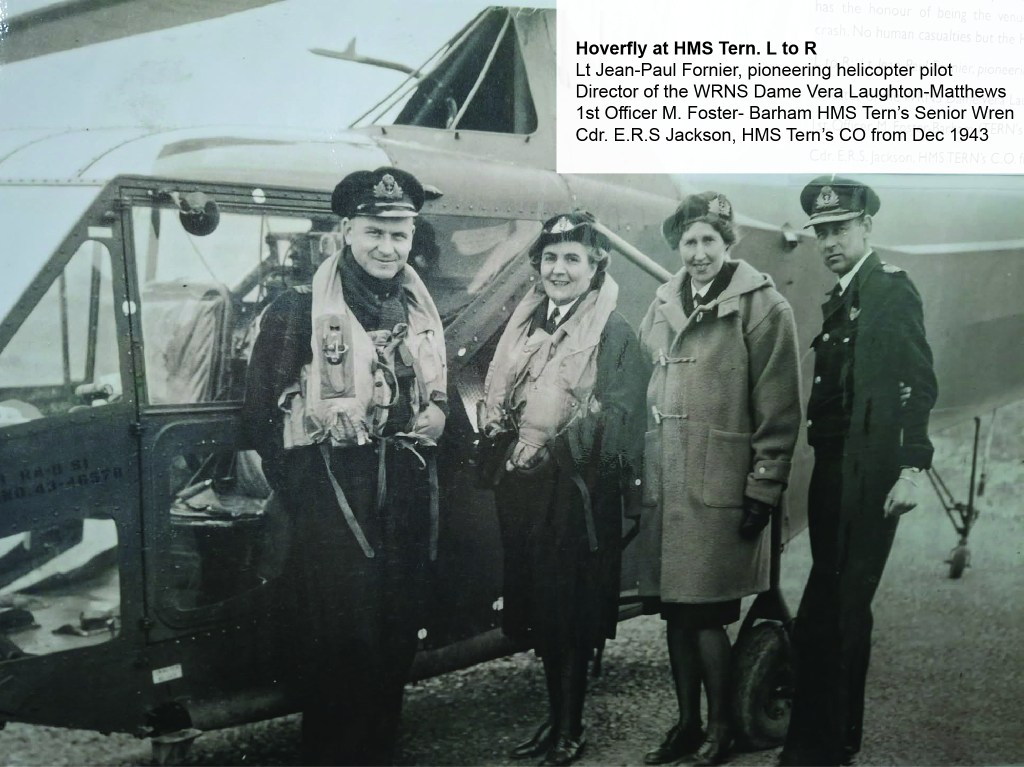
HMS Tern truly stood at the forefront of innovation in the latter years of World War II. It was here that the Sikorsky R-4, also known as the Hoverfly, flew from the airfield on training and evaluation flights.
This amazing aircraft was not only the first to be utilised by the Royal Navy and Royal Air Force but also by the US military, showcasing immense technological progress. The airfield buzzed with excitement during its flight tests!
While it’s a bit unfortunate that the site also witnessed Britain’s first helicopter crash involving a Vought-Sikorsky Hoverfly, it’s a testament to the challenges faced during such groundbreaking advancements. Overall, HMS Tern played a pivotal role in pioneering aviation history, and that’s something to celebrate!
Sikorsky Aircraft designed this historic helicopter, which entered service in 1944 and established the standard for the single main rotor and tail rotor configuration seen in modern helicopters.
However, the helicopter was challenging to fly. Its blades were constructed with wooden ribs around a steel spar and were covered with doped fabric. This design made it difficult to maintain consistent rotor plane rotation, leading to excessive vibration. The aircraft lacked a governor to automatically manage rotor speed, requiring pilots to continuously adjust the throttle in correlation with collective pitch. Any lapse in attention could result in an immediate loss of control.
Contemporary reports, including accounts from test pilots in the US and UK, noted that the control stick vibrated violently, similar to a jackhammer. Pilots had to grip it tightly at all times; even the slightest relaxation could lead to catastrophic instability. It was said that a helicopter pilot’s hands could “permanently shake” due to the demanding control requirements.
In British service, there were operational limitations, and the Hoverfly was primarily used for trials, evaluation, and training rather than for demanding operational missions, reflecting its innovative nature and challenging handling characteristics.
Technical Specifications
- Engine: Warner R-550 radial engine.
- Power: 200 horsepower.
- Crew: Two pilots (side-by-side).
- Top Speed: 75 mph (120 km/h).
- Range: 130 miles (210 km).
Historical Milestones
- First Production: 131 units built.
- UK Service: Named the Hoverfly I in British military service.
- First Rescue: Performed the first combat helicopter rescue in April 1944 in Burma.
- HMS Tern Connection: Used at HMS Tern for early naval trials and pilot training.
We are tracking down photographs of the historical Hoverfly I flying at HMS Tern. If you know of one then get in touch with us hmsternadmin@birsay.org.uk
 About Tern - the blog for HMS Tern Orkney
Leave a comment